
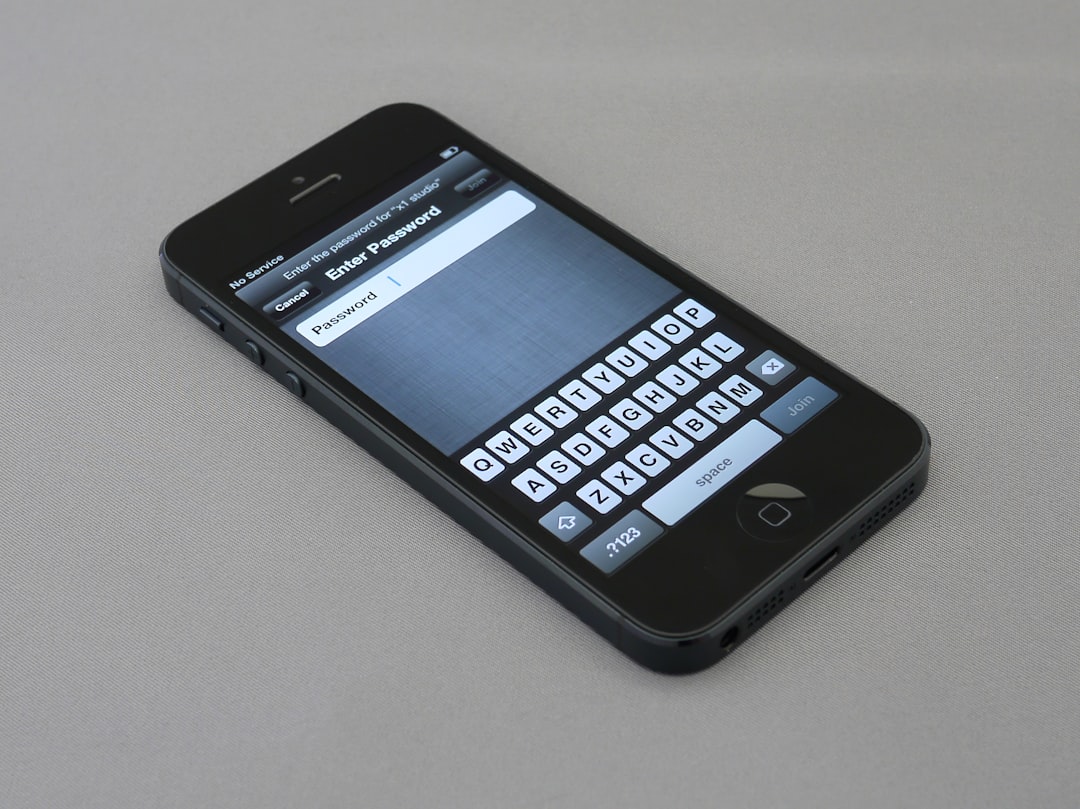
Smishing: Text Message Scams and How to Avoid Them
Introduction
Smishing—a combination of “SMS” and “phishing”—represents one of the fastest-growing cybersecurity threats facing consumers today. This deceptive practice involves cybercriminals sending fraudulent text messages designed to trick recipients into revealing sensitive personal information, clicking malicious links, or downloading harmful software onto their devices.
Unlike traditional phishing emails that many people have learned to recognize, smishing attacks exploit the inherent trust we place in text messages. We’re conditioned to view SMS communications as more personal and urgent, making us more likely to respond without the same level of scrutiny we might apply to suspicious emails.
The danger of smishing extends far beyond simple inconvenience. These attacks can lead to identity theft, financial fraud, unauthorized access to personal accounts, and significant monetary losses. Victims often don’t realize they’ve been compromised until substantial damage has already occurred, making prevention absolutely critical.
While smishing affects people across all demographics, certain groups face elevated risk. Senior citizens, who may be less familiar with digital security practices, represent frequent targets. However, busy professionals who quickly respond to messages without careful examination and younger users who’ve grown up trusting digital communications also find themselves vulnerable to these sophisticated scams.
How It Works
Smishing operates through psychological manipulation combined with technical deception. Criminals craft text messages that appear to come from legitimate sources—banks, government agencies, popular retailers, or service providers. These messages typically create a sense of urgency or fear, prompting immediate action before the recipient has time to think critically about the request.
The technical foundation of smishing relies on several key methods. Spoofing allows criminals to disguise their phone numbers, making messages appear to originate from trusted sources. They might display a bank’s customer service number or use alphanumeric sender IDs that mimic legitimate businesses. URL shortening services help disguise malicious links, making them appear less suspicious while hiding their true destination.
Criminals employ various attack vectors to maximize their success rates. Spray and pray campaigns involve sending identical messages to thousands of phone numbers simultaneously, hoping a percentage of recipients will fall victim. More sophisticated spear smishing attacks target specific individuals using researched personal information to craft highly convincing, personalized messages.
Malware delivery represents another common vector, where criminals include links to websites that automatically download malicious software when visited. This malware can steal stored passwords, monitor typing patterns to capture sensitive information, or provide remote access to the victim’s device.
The infrastructure supporting smishing has become increasingly sophisticated. Criminals use smishing kits—pre-built packages containing fake websites, message templates, and automated tools—making it easy for even technically inexperienced fraudsters to launch effective campaigns. They often operate botnets of compromised devices to send messages, making detection What Is more challenging for telecommunications providers.
Real-World Examples
Understanding how smishing manifests in daily life helps recognize these threats when they appear. Consider Sarah, a busy marketing executive who received a text message appearing to be from her bank: “URGENT: Suspicious activity detected on your account. Verify your identity immediately: [link] or your account will be suspended within 2 hours.” Rushing between meetings, Sarah clicked the link and entered her login credentials on what appeared to be her bank’s website. Within hours, criminals had accessed her actual account and transferred thousands of dollars.
Package delivery scams have become particularly prevalent, especially following the surge in online shopping. Victims receive messages claiming a package delivery failed and requesting personal information or payment for redelivery. These messages often include tracking numbers and appear to come from legitimate shipping companies, making them highly convincing.
Tax season brings waves of smishing attacks impersonating the IRS or other tax authorities. Messages might claim the recipient owes additional taxes payable immediately to avoid legal action, or promise expedited refunds in exchange for personal information. Despite the IRS’s clear policy of never initiating contact via text message, these scams continue claiming victims.
Healthcare-related smishing surged during the COVID-19 pandemic, with criminals sending messages about vaccine appointments, test results, or health insurance updates. These messages preyed on legitimate health concerns and the confusion surrounding rapidly changing healthcare policies.
The impact on victims extends beyond immediate financial losses. Identity theft resulting from smishing can take years to fully resolve, affecting credit scores, employment opportunities, and personal relationships. Victims often experience significant emotional distress, including feelings of violation, embarrassment, and anxiety about future digital interactions.
Warning Signs
Recognizing smishing attempts requires attention to several key indicators. Urgency and pressure tactics represent the most common red flag. Legitimate organizations rarely demand immediate action via text message, especially involving sensitive information or financial transactions. Messages threatening account closure, legal action, or missed opportunities within unreasonably short timeframes should immediately raise suspicion.
Requests for sensitive information via text message should always be viewed skeptically. Banks, government agencies, and reputable businesses never ask customers to provide passwords, Social Security numbers, or financial information through SMS communications. Any message requesting such information is almost certainly fraudulent.
Poor grammar and spelling often indicate smishing attempts, though this indicator has become less reliable as criminals improve their techniques. More sophisticated operations now employ native speakers and professional copywriters to craft convincing messages.
Suspicious links provide another crucial warning sign. Legitimate organizations typically use recognizable domain names in their communications. Be wary of shortened URLs, domains with random character strings, or links that don’t match the supposed sender’s official website. Even if a link appears legitimate, it’s safer to access services directly through official websites or apps rather than clicking message links.
Unexpected communications deserve special scrutiny. If you receive a message about an account you don’t remember opening, a service you don’t use, or a problem you weren’t aware of, investigate independently before responding.
Generic greetings like “Dear Customer” instead of your actual name might indicate mass smishing campaigns, though personalized attacks using your real name are becoming more common as criminals access data from breaches and social media profiles.
How to Protect Yourself
Effective smishing protection requires a multi-layered approach combining technological tools with behavioral awareness. Enable spam filtering on your mobile device and consider third-party SMS security apps that can identify and block suspicious messages. Most modern smartphones include built-in features to filter messages from unknown senders.
Verify independently before responding to any message requesting action or information. If you receive a message claiming to be from your bank, call the bank directly using the number on your card or official website—never use contact information provided in the suspicious message. This simple step eliminates the vast majority of smishing risks.
Never click links in unexpected text messages, even if they appear to come from trusted sources. Instead, access services directly through official websites or authenticated mobile apps. If you must investigate a claim made in a text message, navigate to the organization’s website independently.
Configure privacy settings carefully on social media accounts to limit the personal information criminals can gather for targeted attacks. The less information publicly available about you, the harder it becomes for criminals to craft convincing personalized smishing messages.
Keep software updated on all devices to ensure you have the latest security patches. Enable automatic updates when possible to maintain protection against newly discovered vulnerabilities that criminals might exploit through smishing-delivered malware.
Use two-factor authentication wherever possible to add an extra layer of security to Your accounts. Even if criminals obtain your password through a smishing attack, they won’t be able to access accounts protected by properly configured two-factor authentication.
Educate family members about smishing risks, particularly elderly relatives who may be more susceptible to these attacks. Share examples of common scams and establish family protocols for verifying suspicious communications.
If You’re a Victim
Quick action following a smishing attack can significantly limit potential damage. Immediately change passwords for any accounts you may have compromised, starting with financial accounts, email, and social media. Use a password manager to generate strong, unique passwords for each account.
Contact your financial institutions immediately if you provided banking information or suspect unauthorized access to financial accounts. Most banks offer 24/7 fraud hotlines for reporting suspicious activity. Request immediate holds on affected accounts and ask about additional monitoring services.
Report the incident to multiple authorities to help prevent others from falling victim. Forward smishing messages to 7726 (SPAM) to help wireless carriers improve their filtering systems. File reports with the Federal Trade Commission (FTC) at ReportFraud.ftc.gov and the FBI’s Internet Crime Complaint Center if financial losses occurred.
Monitor your accounts closely for several months following an attack. Set up account alerts for unusual activity and check credit reports regularly for signs of identity theft. Consider placing fraud alerts with credit bureaus to make it more difficult for criminals to open new accounts in your name.
Document everything related to the attack, including screenshots of fraudulent messages, records of financial losses, and copies of all reports filed with authorities. This documentation will prove valuable for insurance claims, law enforcement investigations, and disputes with financial institutions.
Scan your devices for malware if you clicked suspicious links or downloaded files. Use reputable antivirus software to perform comprehensive scans, and consider professional technical support if you suspect significant compromise.
FAQ
What’s the difference between smishing and phishing?
Smishing specifically uses SMS text messages to deceive victims, while phishing typically involves email communications. Both aim to steal personal information or deliver malware, but smishing often feels more urgent and personal since people generally trust text messages more than emails.
Can criminals really make text messages appear to come from my bank?
Yes, through a technique called spoofing, criminals can manipulate the sender information displayed on text messages. However, while they can mimic the appearance of legitimate senders, they cannot actually send messages through official bank systems, which is why independent verification is crucial.
Are iPhone users safer from smishing than Android users?
Both platforms face smishing risks since the attack targets human psychology rather than specific technical vulnerabilities. However, iPhone’s more restrictive app ecosystem provides some additional protection against malware delivered through smishing attacks, while Android’s openness offers more robust spam filtering options.
How do criminals get my phone number for smishing attacks?
Phone numbers come from various sources including data breaches, social media profiles, public records, purchased marketing lists, and automated dialing systems that systematically try number combinations. Unfortunately, keeping your number completely private is nearly impossible in today’s connected world.
Should I respond to smishing messages to tell them to stop?
Never respond to suspected smishing messages, even to request removal from their list. Responding confirms your number is active and monitored, leading to more attacks. Instead, block the number and report the message to your carrier and relevant authorities.
Conclusion
Smishing represents a serious and evolving threat that requires constant vigilance and proactive protection strategies. As these attacks become more sophisticated and personalized, the traditional advice to “just be careful” is no longer sufficient. Success requires combining technological tools with educated awareness and, crucially, having expert support when prevention isn’t enough.
The complexity of modern identity threats—from smishing to data breaches to synthetic identity fraud—makes comprehensive protection essential for everyone, not just those who consider themselves high-risk targets. Every text message, every link, every request for information represents a potential threat vector that criminals are constantly refining and improving.
Take control of your identity security with IdentityProtector.com. Our comprehensive monitoring services watch for signs of compromise across multiple channels, while our real-time alert system ensures you know about potential threats immediately—not months later when the damage has already been done. Our dark web scanning capabilities detect when your personal information appears in criminal marketplaces, often before you realize you’ve been targeted.
Most importantly, if you do fall victim to smishing or any other identity crime, our expert recovery support team guides you through every step of the restoration process. We’ve helped thousands of individuals and families protect their identities with easy-to-understand guidance, proactive monitoring, and professional recovery assistance. Don’t wait until you become a victim—comprehensive identity protection is always more effective and less costly than recovery after the fact.
