
Bank Fraud: Protecting Your Accounts
Banking fraud has become one of the most pervasive threats in our digital age, affecting millions of Americans each year. As financial institutions increasingly move services online and criminals develop more sophisticated tactics, protecting your bank accounts has never been more critical.
What Is Bank Fraud?
Bank fraud encompasses any criminal act designed to defraud a bank or financial institution, or to obtain money, assets, or other property owned or held by a bank. This broad category includes everything from identity theft and account takeovers to check fraud and credit card scams. Unlike simple theft, bank fraud often involves complex schemes that can drain victims’ accounts while leaving them unaware of the crime for weeks or months.
The danger of bank fraud extends far beyond immediate financial losses. Victims often spend months or years rebuilding their credit, restoring their financial reputation, and dealing with the emotional stress of having their financial security violated. The sophisticated nature of modern fraud means that anyone—regardless of age, income level, or technical savviness—can become a target.
While bank fraud can affect anyone, certain groups face heightened risk:
- Elderly individuals who may be less familiar with digital security practices
- Young adults who frequently use online banking and mobile apps
- Small business owners managing multiple accounts
- Individuals with high-value accounts or significant online financial activity
- People who frequently use public Wi-Fi for banking
- Those who have previously been victims of data breaches
How Bank Fraud Works
Modern bank fraud operates through increasingly sophisticated methods that exploit both technological vulnerabilities and human psychology. Understanding these techniques is crucial for protecting yourself.
Digital Attack Methods
Account Takeovers represent one of the most devastating forms of bank fraud. Criminals obtain your login credentials through phishing emails, malware, or data breaches, then systematically drain your accounts. They often change contact information first, redirecting alerts and statements to prevent early detection.
Mobile Banking Exploitation has surged as smartphones become primary banking tools. Fraudsters create fake banking apps, intercept text messages containing security codes, or use malware to capture login information entered on legitimate banking apps.
Social Engineering remains highly effective because it targets human psychology rather than technical systems. Criminals pose as bank representatives, creating urgent scenarios that pressure victims into revealing sensitive information or authorizing fraudulent transfers.
Traditional Fraud Techniques
Check Fraud continues despite digital banking growth. Criminals steal checks, alter amounts or payees, or create entirely fraudulent checks using stolen account information. They’ve also adapted these techniques for digital check deposits.
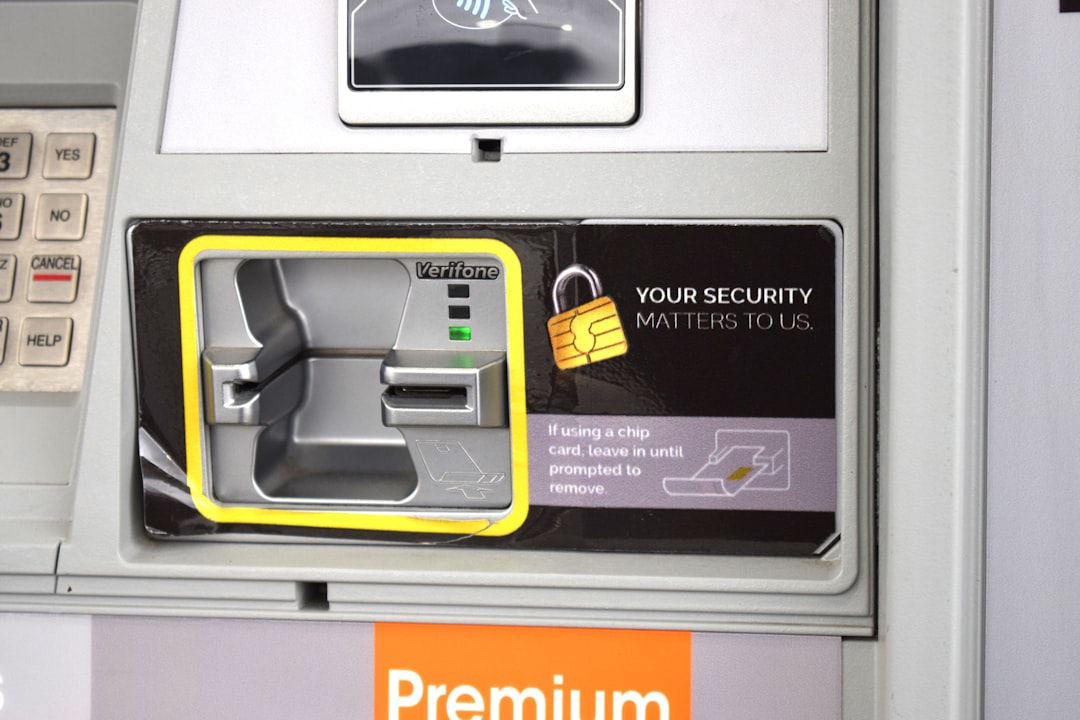
Card Skimming involves devices that capture credit or debit card information at ATMs, gas stations, or retail locations. Modern skimmers can be nearly invisible and may include cameras to record PIN entry.
Wire Transfer Fraud typically involves business email compromise or romance scams that manipulate victims into authorizing large transfers to criminal-controlled accounts.
Common Attack Vectors
Criminals typically gain access to your banking information through:
- Data breaches at retailers, healthcare providers, or other organizations that store your personal information
- Phishing campaigns via email, text, or phone calls impersonating your bank
- Malware infections on computers or mobile devices
- Physical theft of mail, wallets, or devices containing banking information
- Social media intelligence gathering to answer security questions or craft convincing impersonation attempts
Real-World Examples
The Remote Deposit Scam
Sarah, a freelance graphic designer, received a check for $3,000 from a “new client” with instructions to deposit it and wire $2,500 back for “equipment purchases.” She deposited the check via mobile app, and the funds appeared in her account within hours. After wiring the money, she discovered the original check was fraudulent. The bank held her responsible for the full amount, leaving her $2,500 in debt.
The Account Takeover
Mike noticed his bank account balance was lower than expected but assumed his wife had made purchases. Over three days, criminals who had obtained his login credentials through a phishing email systematically transferred $8,000 to external accounts. They had changed his email address and phone number in his banking profile, so he received no fraud alerts. By the time he realized what happened, the criminals had vanished with his savings.
The Business Email Compromise
Local restaurant owner Janet received what appeared to be an urgent email from her bank’s commercial lending department, requesting immediate verification of her account information due to “suspicious activity.” The professional-looking email included her correct account number and business details. After providing her login credentials, criminals accessed her business accounts and authorized a $15,000 wire transfer to an overseas account.
Impact on Victims
Bank fraud victims often experience:
- Immediate financial hardship when accounts are drained or frozen
- Credit damage that can take years to repair
- Emotional distress including anxiety, depression, and loss of financial confidence
- Time consumption dealing with banks, law enforcement, and credit agencies
- Secondary victimization when institutions question legitimate claims or delay resolution
Warning Signs to Watch For
Early detection significantly improves your chances of minimizing losses and recovering quickly from bank fraud. Stay alert for these warning signs:
Account Activity Alerts
- Unexpected transactions of any size, including small “test” amounts
- Failed login attempts or notifications of successful logins you didn’t make
- Changes to account settings you didn’t authorize, such as contact information or security preferences
- Missing deposits that should have arrived
- Declined transactions when you know sufficient funds are available
Communication Red Flags
- Absence of expected statements or alerts
- Emails or texts from your bank requesting immediate action or personal information
- Phone calls claiming urgent account problems requiring immediate verification
- Mail delivery issues or missing bank correspondence
Technology Indicators
- Slow computer or device performance potentially indicating malware
- Unexpected password reset notifications for accounts you didn’t try to access
- Pop-up windows during online banking sessions requesting additional information
- Banking website appearance changes that might indicate you’re on a fraudulent site
Physical World Signs
- Missing mail especially bank statements, checks, or tax documents
- Unexpected credit cards or bank documents arriving in your name
- Credit report inquiries you didn’t authorize
- Calls from creditors about accounts you didn’t open
How to Protect Yourself
Effective bank fraud protection requires a multi-layered approach combining good digital hygiene, careful account monitoring, and proactive security measures.
Account Security Best Practices
Use Strong, Unique Passwords for all banking accounts. Enable two-factor authentication whenever possible, preferably using authentication apps rather than SMS when given the choice. Regularly update passwords and never reuse banking passwords for other accounts.
Monitor Accounts Frequently by checking balances and transactions at least weekly. Set up account alerts for all transactions, logins, and profile changes. Review monthly statements carefully, even if you check accounts online regularly.
Secure Your Devices with updated antivirus software, operating system patches, and app updates. Avoid banking on public Wi-Fi networks, and always log out completely from banking sessions.
Communication Security
Verify All Banking Communications by contacting your bank directly using official phone numbers or websites, never through links or numbers provided in suspicious messages. Banks will never request sensitive information via email or text.
Protect Personal Information by limiting what you share on social media and being cautious about providing personal details to unknown callers. Criminals often use publicly available information to make their scams more convincing.
Physical Security Measures
Secure Your Mail by promptly collecting it and considering a locking mailbox or P.O. box if you’ve experienced mail theft. Shred financial documents before disposing of them.
Protect Your Cards by keeping them in RFID-blocking wallets and covering your PIN when entering it. Inspect ATMs and card readers for suspicious devices before using them.
Banking Environment Security
Choose Secure Banking Locations by using ATMs at banks rather than standalone machines when possible. If you must bank on public Wi-Fi, use a VPN service.
Maintain Updated Contact Information with your bank to ensure you receive fraud alerts promptly. Notify your bank immediately of address or phone number changes.
If You’re a Victim
Quick action is crucial if you suspect bank fraud. The faster you respond, the better your chances of recovering losses and preventing additional damage.
Immediate Steps (First 24 Hours)
- Contact Your Bank Immediately using the fraud hotline number, which is typically available 24/7. Report suspicious activity even if you’re not certain fraud has occurred.
- Change All Banking Passwords and security questions. If you suspect your email has been compromised, change those credentials too.
- Document Everything by taking screenshots of suspicious transactions and keeping detailed records of all communications with your bank.
- File a Police Report especially for large losses or if you have information about the perpetrators. Many banks require a police report for fraud investigations.
First Week Actions
Contact credit bureaus to place fraud alerts on your credit reports. Consider a credit freeze if the fraud appears extensive or ongoing.
Review All Financial Accounts including credit cards, investment accounts, and other banks where you have relationships. Criminals often target multiple accounts simultaneously.
Monitor Credit Reports closely for new accounts opened in your name. You’re entitled to free weekly credit reports from annualcreditreport.com.
Follow Up with Your Bank regularly on the fraud investigation. Keep records of all claim numbers and representative names.
Ongoing Recovery Process
The bank fraud recovery process can take weeks or months. Stay organized by maintaining a dedicated file with all fraud-related documentation. Continue monitoring all accounts closely and be patient with the investigation process, as banks must follow specific procedures.
Many victims benefit from identity monitoring services during recovery, as bank fraud often indicates broader identity theft. Professional monitoring can catch secondary fraud attempts and provide expert guidance through the recovery process.
Frequently Asked Questions
Q: How quickly will my bank refund fraudulent transactions?
A: Banks typically must provide provisional credit within 10 business days of receiving your fraud report, though simple cases may be resolved faster. Complete investigations can take up to 45 days for ATM/debit card fraud and up to 90 days for other electronic transfers. credit card fraud often resolves more quickly due to stronger consumer protections.
Q: Am I liable for fraudulent charges on my accounts?
A: Your liability depends on the type of account and how quickly you report the fraud. For credit cards, federal law limits liability to $50. For debit cards, you’re not liable if you report fraud within two business days, liable for up to $50 if reported within 60 days, and potentially liable for up to $500 after that. Bank transfer fraud liability varies based on circumstances and your bank’s policies.
Q: Should I close my accounts after experiencing bank fraud?
A: Not necessarily. If criminals only obtained transaction information without access to your login credentials, changing passwords and monitoring closely may be sufficient. However, if criminals had full account access or if fraud continues after security changes, closing accounts and opening new ones may be necessary.
Q: Can using public Wi-Fi for banking really lead to fraud?
A: Yes, public Wi-Fi networks often lack proper security, making it possible for criminals to intercept data transmitted between your device and banking websites. Even if the banking site uses encryption, other vulnerabilities could expose your information. If you must bank on public Wi-Fi, use a reputable VPN service to encrypt your connection.
Q: How can I tell if a banking website or app is legitimate?
A: Always access banking websites by typing the URL directly or using bookmarks rather than clicking links. Look for “https://” and a lock icon in your browser. Banking apps should only be downloaded from official app stores. Be suspicious of any banking site that looks different than usual or requests unusual information.
Conclusion
Bank fraud continues evolving as criminals develop new techniques and exploit emerging technologies. However, staying informed about current threats, implementing strong security practices, and maintaining vigilant account monitoring can significantly reduce your risk of becoming a victim.
Remember that preventing bank fraud is an ongoing process, not a one-time effort. Regular security reviews, staying current with new threat types, and maintaining good digital hygiene habits are your best defenses against financial criminals.
Take Control of Your Financial Security Today
Don’t wait for fraud to happen to you. IdentityProtector.com helps thousands of individuals and families stay ahead of financial criminals with comprehensive identity monitoring, real-time fraud alerts, and dark web scanning that catches threats before they impact your accounts. Our expert recovery support team is standing by to guide you through any security incident, providing the peace of mind that comes with professional protection.
Visit IdentityProtector.com today to learn how our proven monitoring system and expert guidance can safeguard your financial future. Your identity security is too important to leave to chance.
