
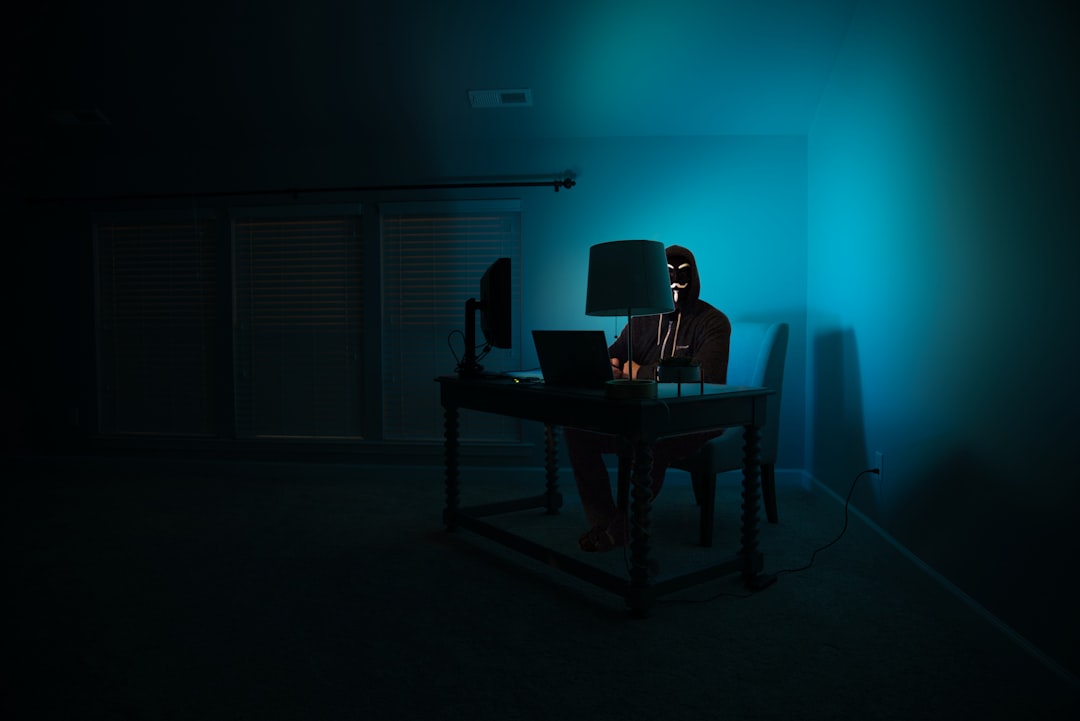
Dark Web Scan: How It Works and What It Finds
Quick Take
A dark web scan searches criminal marketplaces online to see if your personal information — like your email, Social Security number, or credit card details — is being sold by cybercriminals. While finding your data there sounds terrifying, knowing about it early gives you the power to protect yourself before criminals can cause real damage.
What This Actually Means for You
The dark web is essentially the criminal marketplace of the internet — a hidden part where stolen personal information gets bought and sold. Think of it like a black market where instead of selling stolen goods, criminals trade your email addresses, passwords, Social Security numbers, and financial details.
Here’s how this affects real people: When a company you’ve done business with gets breached — whether it’s your bank, your favorite retailer, or even your doctor’s office — that stolen information doesn’t just disappear. Criminals package it up and sell it to other criminals who specialize in identity theft, account takeover (where they break into your existing accounts), or new account fraud (opening credit cards and loans in your name).
Everyone is at risk because everyone has data scattered across dozens of companies. You’ve probably given your Social Security number to employers, banks, insurance companies, and healthcare providers. You’ve created accounts with retailers, social media platforms, and service providers. Each of these represents a potential entry point for your information to end up in criminal hands.
The biggest misconception people have is thinking they’re safe if they’re “careful online.” The reality is that you can have perfect digital habits and still end up on the dark web because of breaches at companies you trust. A data breach at your health insurance company or your child’s school can expose your information regardless of how strong your passwords are.
How It Works
Dark web scanning involves specialized tools that search criminal forums, marketplaces, and databases where stolen information is traded. These aren’t places you can access with a regular browser — they require special software and knowledge of where to look.
Here’s a real-world scenario: Let’s say a major retailer gets breached, exposing customer data including names, addresses, phone numbers, and partial credit card information. Within days or weeks, this information appears in criminal marketplaces where identity thieves can buy it for a few dollars per record. A dark web scan would detect your information in these marketplaces and alert you that your data has been compromised.
The chain of events typically looks like this: First, criminals breach a company’s database or buy stolen data from other criminals. Next, they organize and sell this information in bulk on dark web marketplaces. Then, other criminals buy your specific information to attempt identity theft, account takeovers, or to combine it with data from other breaches to build a complete profile for synthetic identity theft (creating fake identities using real people’s information).
How criminals exploit this information: They might use your email and password from one breach to try accessing your bank account. They could combine your Social Security number from a healthcare breach with your address from a retail breach to open credit cards in your name. Or they might use your phone number and personal details to convince your wireless carrier to transfer your number to their phone in a SIM swap attack.
Warning Signs to Watch For
The most obvious red flag is getting a notification that your information was found in a dark web scan. But there are other warning signs that suggest your information might be circulating in criminal marketplaces:
You’re suddenly getting a lot more spam emails or robocalls than usual — criminals often sell email lists and phone numbers in bulk. Check your email and phone activity monthly for unusual increases in unwanted contact.
You receive alerts from services you’ve never used or password reset emails for accounts you didn’t request. This often means someone is testing whether your email and password combinations work on different websites.
Your existing accounts show suspicious activity: logins from locations you’ve never visited, password change notifications you didn’t initiate, or purchases you didn’t make. Check your account activity weekly for your most important accounts like banking, email, and social media.
Pre-approved credit offers suddenly increase, or you start receiving offers for services you’ve never expressed interest in. This can indicate your personal information is being shared more widely than usual.
Early signals most people miss include small, unfamiliar charges on credit cards or bank statements (criminals often test stolen card numbers with tiny purchases first), or receiving bills or statements for services you never signed up for.
False alarms vs. real concerns: If you get one suspicious email, that’s probably spam. If you get multiple password reset requests for different services in a short time period, that’s a pattern worth investigating. The key is watching for patterns rather than isolated incidents.
How to Protect Yourself
Start with these high-impact actions first:
1. Set up a credit freeze with all three credit bureaus (Equifax, Experian, and TransUnion). A credit freeze locks your credit files so no one can open new accounts in your name, even if they have your Social Security number. Visit each bureau’s website directly — it’s free and takes about 10 minutes per bureau.
2. Use a password manager and enable two-factor authentication (2FA) on important accounts. A password manager creates unique, strong passwords for every account, so if one gets breached, criminals can’t use that password elsewhere. 2FA adds a second security step (usually a code sent to your phone) that makes account takeover much harder.
3. Sign up for dark web monitoring through a reputable identity protection service. While you can’t scan the dark web yourself, specialized services monitor these criminal marketplaces continuously and alert you when your information appears.
4. Check your credit reports regularly at AnnualCreditReport.com (the only official free site). Look for accounts you didn’t open, hard inquiries you don’t recognize, or personal information that’s incorrect. You’re entitled to one free report from each bureau annually.
Free protections everyone should have:
- Fraud alerts with the credit bureaus (free, but less comprehensive than freezes)
- Account alerts from your bank and credit card companies for transactions over amounts you set
- Annual credit report reviews to catch unauthorized accounts early
- Google alerts for your name and Social Security number to catch unexpected online mentions
When paid monitoring is worth it: If you’ve been in multiple data breaches, if you have children whose identities need protection, or if you simply want comprehensive monitoring without having to manage multiple services yourself. Look for services that include dark web monitoring, credit monitoring across all three bureaus, and real human support for recovery assistance.
Your 15-minute monthly security routine:
- Check bank and credit card statements for unfamiliar charges (5 minutes)
- Review login alerts from your email and important accounts (3 minutes)
- Scan your credit monitoring alerts if you have a service (2 minutes)
- Update any passwords flagged by your password manager as weak or compromised (5 minutes)
What to Do If It Happens to You
If you discover your information on the dark web, here’s your action plan:
Immediate steps (first 24 hours):
1. Change passwords immediately for any accounts associated with the compromised information. If your email password was exposed, change that first since criminals use email access to reset other passwords.
2. Contact your bank and credit card companies to alert them and consider requesting new account numbers if financial information was involved.
3. Place fraud alerts or credit freezes with all three credit bureaus. If you haven’t already frozen your credit, do it now.
Who to contact and in what order:
- Your financial institutions first (banks, credit card companies, investment accounts)
- The three credit bureaus for freezes or fraud alerts: Equifax (1-800-349-9960), Experian (1-888-397-3742), TransUnion (1-888-909-8872)
- The FTC at IdentityTheft.gov to file an official identity theft report
- Local police if you’ve suffered actual financial losses (you’ll need a police report number for some recovery processes)
Keep detailed documentation: Save all correspondence with financial institutions, credit bureaus, and law enforcement. Screenshot any suspicious account activity. Keep copies of any fraud affidavits or identity theft reports you file.
Recovery timeline: If you catch it early (before criminals cause damage), you can usually secure your accounts within a few days. If unauthorized accounts were opened or significant fraud occurred, full recovery typically takes 3-6 months of working with creditors and credit bureaus to clean up your credit reports.
Most importantly: Don’t panic. While finding your information on the dark web is serious, it doesn’t mean you’ll automatically become a victim of identity theft. Taking quick, methodical action can prevent most criminal attempts to misuse your information.
FAQ
How often should I get a dark web scan?
Continuous monitoring is ideal since new breaches happen regularly and your information can appear on criminal marketplaces at any time. Most reputable identity protection services include ongoing dark web monitoring rather than one-time scans.
Can I scan the dark web myself?
No, and you shouldn’t try. Accessing dark web marketplaces requires special software and puts your computer at risk of malware. Professional services have the tools and expertise to monitor these sites safely and comprehensively.
What’s the difference between a data breach notification and finding my info on the dark web?
A breach notification tells you that a company’s database was compromised and your information might be at risk. Finding your information on the dark web confirms that it’s actually being sold to criminals — it’s moved from “at risk” to “actively compromised.”
If my information is on the dark web, does that mean I’ll definitely become a victim of identity theft?
Not necessarily. Millions of records are available on the dark web, but criminals typically focus on the most valuable or easiest-to-use information. Quick protective action can prevent most attempted misuse of your data.
How much does dark web monitoring cost, and is it worth it?
Standalone dark web monitoring typically costs $10-30 monthly, while comprehensive identity protection (including dark web monitoring, credit monitoring, and recovery assistance) ranges from $15-50 monthly. It’s worth it if you want peace of mind and professional monitoring you can’t do yourself.
What types of information do criminals value most on the dark web?
Social Security numbers, full credit reports, banking login credentials, and medical records command the highest prices. Email and password combinations are cheaper but still dangerous since criminals use them to attempt account takeovers across multiple websites.
Conclusion
Finding out your personal information is on the dark web can feel overwhelming, but remember: knowledge is power. The sooner you know your information has been compromised, the faster you can take protective action to prevent criminals from successfully using it against you.
The most important thing you can do today is freeze your credit with all three bureaus and set up proper monitoring. These two actions alone will stop most identity thieves in their tracks, even if they have your Social Security number and other personal details.
IdentityProtector.com gives you comprehensive identity monitoring, real-time alerts when your information is found in breaches or on the dark web, credit monitoring across all three bureaus, and expert recovery support if the worst happens. Rather than worrying about what might be out there, take control of your identity security with professional monitoring that watches the dark web so you don’t have to. Your identity is worth protecting — and protecting it is easier than you might think.
