
What Documents to Shred to Prevent identity theft
Quick Take
You’ll sort through your documents and set up a shredding system that protects your identity without overwhelming you. This takes about 30 minutes for the initial setup, then just a few minutes each week to maintain. By the end, you’ll know exactly what documents to shred (anything with personally identifiable information like your Social Security number, account numbers, or financial details) and have a simple routine that makes identity protection automatic.
Before You Start
What You’ll Need
- A cross-cut or micro-cut shredder (strips aren’t secure enough — criminals can tape them back together)
- Your pile of documents waiting to be sorted
- A “keep” box or filing system for documents you need to retain
- About 30 minutes of uninterrupted time
Why This Matters for Your Identity Security
Dumpster diving isn’t just a movie plot — it’s one of the easiest ways criminals steal identities. When you throw away documents with your personally identifiable information (PII), you’re basically handing thieves everything they need to open credit accounts, file fraudulent tax returns, or access your existing accounts.
The good news? Proper document shredding stops this attack completely. No sophisticated hacking skills can recover a properly shredded bank statement.
Step-by-Step Instructions
1. Set Up Your Shredding Station
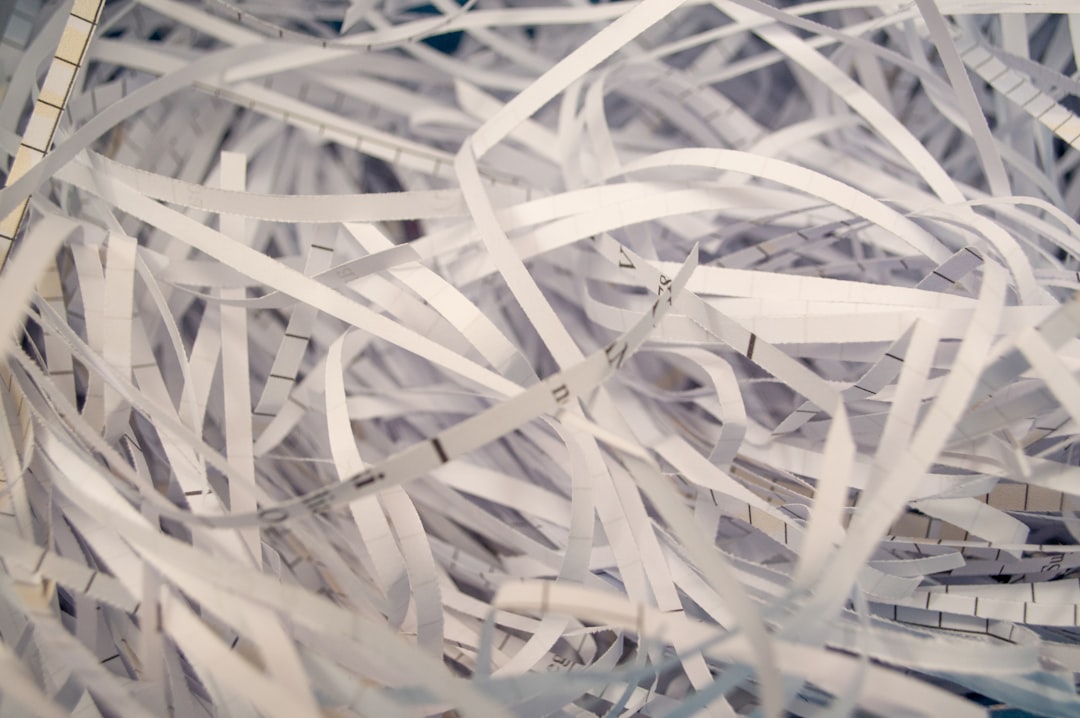
Get the right shredder. Cross-cut shredders turn documents into confetti-sized pieces. Micro-cut shredders are even better — they create pieces so small they’re virtually impossible to reconstruct. Strip-cut shredders that create long paper strips don’t provide adequate security.
Choose your location. Set up near where you normally open mail or pay bills. The easier it is to shred immediately, the more likely you’ll actually do it.
2. Sort Your Current Document Pile
Start with three categories: Shred Now, Keep, and Not Sure. Don’t overthink this initial sort — you’ll refine as you go.
Move quickly through obvious items:
- Pre-approved credit card offers → Shred Now
- Insurance explanation of benefits → Shred Now
- Bank statements older than one year → Shred Now
- Tax returns → Keep (you need these for 7 years)
- Birth certificates → Keep
3. Know What Always Gets Shredded
Shred any document containing:
- Your Social Security number or any part of it
- Account numbers (bank, credit card, investment, insurance)
- Credit card offers or balance transfer checks
- Medical information or insurance claims
- Tax documents older than 7 years
- Expired identification cards or licenses
- Anything with signatures you’re discarding
Common documents that always need shredding:
- Bank and credit card statements (after you’ve reconciled them)
- Investment account statements (keep annual summaries, shred monthlies)
- Insurance explanation of benefits forms
- Medical bills and records you no longer need
- Pre-approved credit offers
- Expired warranties with account information
- Old utility bills (after payment confirmation)
- Pay stubs older than one year (unless needed for loan applications)
4. Handle Special Cases Carefully
Credit reports and monitoring service reports contain your most sensitive information. Never just throw these away — always shred completely.
Checks you’re voiding should be shredded, but write “VOID” across them first, then cut through the account and routing numbers before shredding.
Documents with labels or stickers need extra attention. Remove address labels from magazines and catalogs before recycling. Prescription bottle labels should be removed and shredded separately.
5. Create Your Ongoing System
Shred weekly, not monthly. Set a recurring 15-minute appointment with yourself every week to handle the documents that accumulated. Letting them pile up makes the task feel overwhelming.
Process mail immediately. When you open credit card offers or statements, decide right then: file it or shred it. Don’t create a “deal with later” pile.
Use the one-year rule for most financial documents. Keep current year bank statements and credit card statements for reconciliation, then shred last year’s when you file taxes.
Verify It Worked
Check Your Shredder Output
Examine a few pieces from your shredder’s bin. You shouldn’t be able to read any complete words or numbers. If you can reassemble information, your shredder isn’t secure enough.
Test with a junk mail credit offer first. Shred a pre-approved credit card offer and look at the results. If you can still read your name and address clearly, you need a better shredder.
Monitor Your Identity Protection
Check your credit reports at AnnualCreditReport.com every four months (one bureau every four months covers all three bureaus annually). Look for accounts you didn’t open or inquiries you don’t recognize.
Set up account alerts for all financial accounts. Most banks and credit card companies will text or email you immediately when new charges appear.
Common Issues and Fixes
“My Shredder Keeps Jamming”
Don’t overfeed it. Most home shredders handle 6-8 sheets at a time maximum. Thick documents like credit cards need to go through one at a time.
Remove staples and paper clips before shredding. These metal pieces can damage your shredder’s blades.
Let it rest. Many shredders overheat after 10-15 minutes of continuous use. Let it cool down before continuing.
“I’m Not Sure How Long to Keep Something”
When in doubt, keep it longer rather than shorter. You can always shred something later, but you can’t un-shred it.
For tax-related documents, use the 7-year rule. The IRS can audit returns up to 6 years after filing (3 years normally, 6 years if they suspect you underreported income by 25% or more), so keeping 7 years covers you completely.
For medical records, check your state laws. Some states require keeping medical records for specific periods, especially for children.
“I Have Boxes of Old Documents”
Start with the most recent and work backward. Prioritize documents from the last two years — these contain information most useful to identity thieves.
Set a timer for 30 minutes and work in focused sessions. Don’t try to tackle decades of documents in one sitting.
When overwhelmed, hire help. Some office service companies offer secure document destruction. Make sure they provide certificates of destruction and use cross-cut or micro-cut shredding.
What to Do Next
Reduce Future Paper Volume
Switch to electronic statements for accounts you check regularly online. This reduces both identity theft risk and storage needs.
Opt out of pre-approved credit offers at OptOutPrescreen.com or by calling 1-888-5-OPT-OUT. This reduces junk mail containing your personal information.
Remove your name from marketing lists by registering at DMAchoice.org. This cuts down on catalogs and promotional mail that often includes your full name and address.
Strengthen Your Identity Protection
Freeze your credit at all three credit bureaus (Equifax, Experian, and TransUnion). A credit freeze blocks new account applications unless you temporarily lift it with a PIN. Visit each bureau’s website and look for “Security Freeze” options.
Consider identity monitoring services that scan for your personal information in data breaches and on the dark web (criminal marketplaces where stolen information is sold).
Maintain Your Document Security
Review your system quarterly. Every three months, spend 30 minutes updating what you’re keeping versus shredding based on any life changes.
Shred expired cards immediately. When you get replacement credit cards or driver’s licenses, shred the expired ones right away rather than letting them sit in a drawer.
FAQ
Q: Can I just tear up sensitive documents instead of shredding them?
No — torn documents can be reassembled much more easily than properly shredded ones. Identity thieves specifically target hand-torn documents because they know most people don’t tear thoroughly enough to destroy account numbers and Social Security numbers completely.
Q: How long should I keep tax returns and supporting documents?
Keep tax returns and supporting documents for 7 years. The IRS typically has 3 years to audit a return, but can go back 6 years if they suspect significant underreporting of income. Seven years covers you for any normal audit situation.
Q: Should I shred documents with just my name and address?
Yes, especially if they also show patterns about your life (medical appointments, shopping habits, family members’ names). Criminals combine information from multiple sources to build complete identity profiles, so even “harmless” documents can be puzzle pieces in identity theft.
Q: What should I do with old hard drives and phones that might have personal information?
Don’t just delete files — use data destruction software that overwrites the storage multiple times, or physically destroy the drives. Many office supply stores offer electronic device destruction services with certificates of destruction.
Q: Is it safe to shred documents with different personal information together?
Yes, as long as you’re using a cross-cut or micro-cut shredder. The small, mixed pieces make it virtually impossible to reassemble information from multiple documents. Just don’t use strip-cut shredders for any sensitive documents.
Secure Your Documents, Protect Your Future
Setting up proper document shredding habits protects you from one of the simplest but most common forms of identity theft. Combined with digital security measures like credit freezes and account monitoring, you’re building multiple layers of protection that make criminals move on to easier targets.
Remember that identity protection works best as a system, not individual actions. While proper document destruction stops dumpster diving attacks completely, comprehensive identity monitoring gives you the early warning system you need for digital threats. IdentityProtector.com helps individuals and families stay ahead of identity threats with easy-to-understand monitoring, real-time breach alerts when your information appears in data breaches or on dark web criminal marketplaces, and hands-on recovery assistance from identity theft specialists if something does go wrong. Take control of your identity security today — because protecting your identity means protecting everything you’ve worked to build.
