
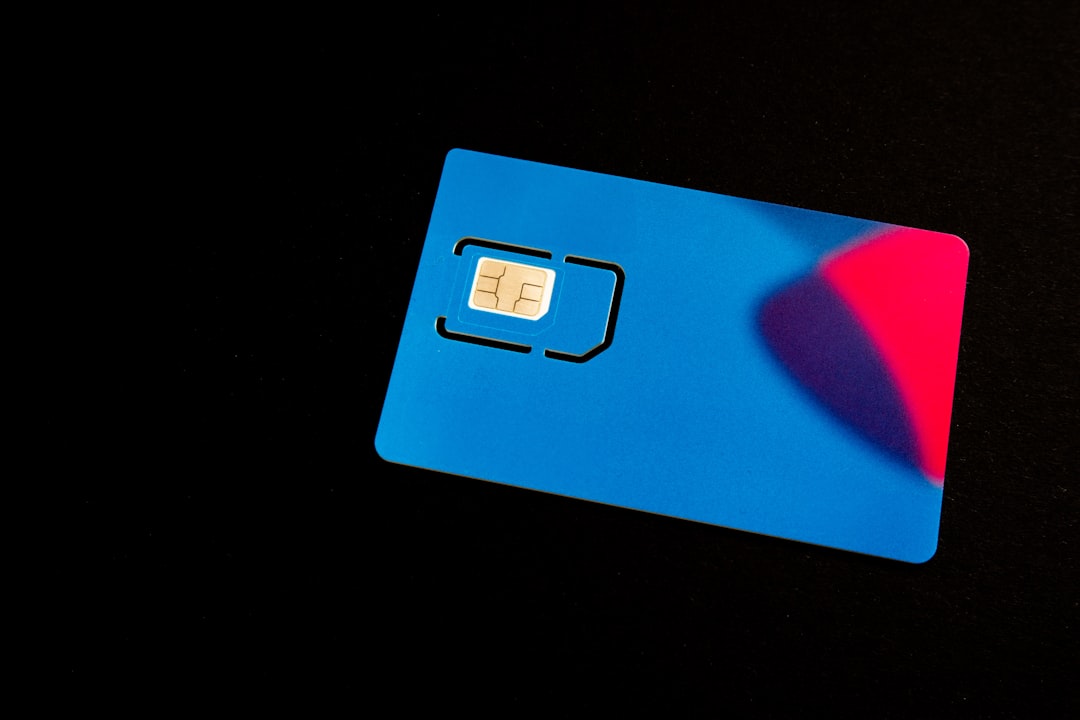
SIM Swapping: How Criminals Hijack Your Phone Number
Quick Take
SIM swapping happens when criminals convince your phone carrier to transfer your phone number to their device, giving them access to your two-factor authentication codes and potentially your most important accounts. The single most important protection? Contact your carrier today and set up a PIN or passcode that must be provided before anyone can make changes to your account.
This attack is particularly dangerous because it bypasses many of the security measures you’ve put in place, but it’s also highly preventable once you know what to do.
What This Threat Actually Is
SIM swapping (also called SIM hijacking or phone porting) is a type of account takeover where criminals gain control of your phone number by convincing your mobile carrier to transfer it to a SIM card they control.
Here’s how it works: A criminal calls your phone carrier pretending to be you. They claim they’ve lost their phone or got a new one and need to activate their “new” SIM card. Using personal information they’ve gathered about you — often from data breaches, social media, or the dark web — they answer security questions or provide enough identifying details to convince the carrier representative they’re legitimate.
Once successful, your phone number starts working on their device instead of yours. Your phone shows “no service,” while they receive all your calls and texts, including those critical two-factor authentication (2FA) codes from your bank, email, cryptocurrency exchanges, and social media accounts.
This attack is effective because it exploits the weakest link in the security chain: human trust. Carrier employees are trained to help customers, and sophisticated criminals know exactly what information to provide and which emotional buttons to push. They might claim to be traveling abroad, in a family emergency, or simply frustrated after “trying to fix this for hours.”
SIM swapping has become increasingly common as more services rely on SMS-based two-factor authentication. Criminal forums openly share techniques, and the tools needed — your personal information — are widely available through data breaches and data brokers.
Who’s Most at Risk
High-value targets face the greatest risk. If you have significant cryptocurrency holdings, valuable social media accounts, or business accounts with large financial access, criminals specifically research and target individuals like you.
People with a large digital footprint are vulnerable because criminals can easily research their personal information. If your full name, address, phone number, and family details are readily available online through social media, professional profiles, or data broker sites, you’ve provided the ammunition criminals need.
Anyone who uses SMS for two-factor authentication is at risk, especially if you rely on it for banking, email, or cryptocurrency accounts. The more valuable accounts you protect with SMS-based 2FA, the more attractive you become as a target.
You’re at elevated risk if you recently:
- Posted about cryptocurrency investments or trading on social media
- Had your information exposed in a data breach (and breaches happen constantly)
- Received legitimate-seeming but suspicious calls from people claiming to be from your phone carrier
- Listed your phone number publicly for business or professional purposes
The uncomfortable truth is that much of your vulnerability comes from factors beyond your immediate control. Data breaches expose your personal information regularly, data brokers collect and sell your details, and social engineering techniques are constantly evolving. However, the final step — the actual SIM swap — requires bypassing your carrier’s security, which you can significantly strengthen.
Real-World Scenarios
The Cryptocurrency Investor
Sarah posts occasionally about Bitcoin on Twitter and has her full name in her profile. Criminals find her LinkedIn (showing her employer), Facebook (showing her hometown and family), and data broker sites (showing her address and phone number). They call her carrier claiming to be Sarah, stuck at an airport with a broken phone before an important business trip. Using her personal details, they convince the representative to transfer her number. Within hours, they’ve reset her email password, accessed her cryptocurrency exchange, and drained her accounts. Sarah realizes something’s wrong when her phone stops working, but by then, her digital life has been compromised.
The Small Business Owner
Mike runs a consulting business and lists his phone number on his website. His information was also exposed in multiple data breaches over the years. Criminals call his carrier claiming their phone was stolen and they urgently need service restored for work. They provide his business address, social security number (from breaches), and mother’s maiden name (found through genealogy sites). Once they control his number, they reset his business banking passwords, email accounts, and even his domain registrar. Mike discovers the problem when clients can’t reach him, but significant financial damage has already occurred.
The Social Media Influencer
Jessica has thousands of followers and often shares details about her life. Criminals piece together her personal information from her posts, including her pets’ names, where she grew up, and her favorite restaurants. They call her carrier pretending to be Jessica, claiming they’re traveling and their phone broke. Using her personal details as verification, they gain control of her number. They then take over her Instagram account, change the email and password, and attempt to scam her followers. Jessica loses not just her account but years of content and business relationships.
Warning Signs
Your phone suddenly shows “no service” or “SIM not provisioned” — this is the clearest sign that your number may have been transferred to someone else’s device. Don’t assume it’s just a network outage, especially if the problem persists for more than a few minutes.
You receive unexpected texts about password resets or login attempts for accounts you haven’t accessed. This often happens in the minutes before a SIM swap, as criminals test whether they have the right phone number and personal information.
You get locked out of accounts that use your phone number for verification, even though you haven’t changed any passwords. If you can’t receive verification codes, it might be because someone else is receiving them.
Friends or family receive strange messages from your number that you didn’t send. Once criminals control your phone number, they might impersonate you to gather information about your contacts or attempt additional scams.
The early warning that most people ignore is receiving calls from someone claiming to be from your carrier asking to verify account information or offering account upgrades. Legitimate carriers rarely call customers unsolicited about account changes. These calls are often criminals testing what they know about you or attempting to gather additional verification details.
Here’s the difference between real warnings and false alarms: Temporary network outages affect multiple people and carriers usually acknowledge them on social media or status pages. SIM swapping affects only you, and your carrier’s customer service will show recent account changes you didn’t authorize.
How to Protect Yourself
Prevention is far easier than recovery from SIM swapping. Here are your protection options, ranked by effectiveness:
| Protection Method | What It Prevents | Cost | Difficulty |
|---|---|---|---|
| Carrier account PIN/passcode | Unauthorized account changes | Free | Easy |
| Port freeze/port block | Number transfers to other carriers | Free | Easy |
| App-based 2FA (instead of SMS) | Access even if number is stolen | Free | Medium |
| Remove phone number from accounts | Eliminates SMS as attack vector | Free | Medium |
| Data broker opt-outs | Reduces available personal information | Free (time-intensive) | Hard |
| Professional monitoring service | Early breach detection and recovery help | Paid | Easy |
Set up account security immediately. Call your carrier today and ask to add a PIN, passcode, or security question that must be provided before any account changes. This is free and takes five minutes, but it’s your strongest protection. Write down this PIN and store it securely — don’t use easily guessed numbers like birthdays.
Request a port freeze or port block. This prevents your number from being transferred to other carriers without additional verification. Most major carriers offer this protection for free, though the exact name varies (AT&T calls it “extra security,” Verizon calls it “number lock”).
Move away from SMS-based two-factor authentication. Use authenticator apps like Google Authenticator, Authy, or Microsoft Authenticator instead of SMS codes whenever possible. These generate codes on your device that criminals can’t intercept even if they control your phone number.
Remove your phone number from account recovery options where you have alternatives. Many services let you use email or authenticator apps for recovery instead of SMS. This eliminates your phone number as a potential attack vector.
Limit your digital footprint. Don’t post your phone number publicly, avoid sharing personal details on social media that could be used for verification questions, and consider using Google Voice or similar services for public-facing numbers instead of your main carrier number.
Consider professional identity monitoring. Services that monitor the dark web can alert you when your personal information appears in new breaches, giving you time to strengthen your defenses before criminals gather enough details for a SIM swap attempt.
If You’ve Been Affected
First 24 Hours:
Contact your carrier immediately if your phone shows no service. Don’t wait to see if service returns. Ask specifically if your number has been transferred or ported to another account. If it has, demand immediate restoration and ask them to document the unauthorized change.
Change passwords for all critical accounts using a different device (computer, tablet, or borrowed phone). Start with email, banking, and any accounts that used SMS verification. Don’t rely on your phone for password resets until you’ve confirmed you have control of your number.
Check your accounts for unauthorized activity. Log into banking, investment, email, and social media accounts to look for changes you didn’t make. Document any unauthorized transactions or account modifications with screenshots.
File a police report and FTC complaint through IdentityTheft.gov. You’ll need these official reports for disputes with financial institutions and to qualify for certain legal protections.
Contact your credit card companies and banks to alert them of potential fraud. Consider freezing your credit reports at all three bureaus (Equifax, Experian, and TransUnion) to prevent new account fraud.
Recovery typically takes weeks to months depending on how many accounts were compromised and how quickly you responded. Financial account recovery is usually fastest, while social media and email account recovery can take longer. Some cryptocurrency losses may be permanent, as these transactions are often irreversible.
Professional identity theft recovery services are worth considering if criminals accessed multiple accounts or financial losses exceed a few thousand dollars. These services handle communication with institutions and guide you through the recovery process, which can be overwhelming to manage alone.
FAQ
Can SIM swapping happen to any phone carrier?
Yes, all major carriers are vulnerable because the attack targets human customer service representatives rather than technology systems. However, some carriers have better security protocols than others. The key is setting up additional account protections regardless of your carrier.
Is it safer to use a prepaid phone to avoid SIM swapping?
Not necessarily. Prepaid accounts often have weaker identity verification, which can make unauthorized changes easier, not harder. The protection comes from limiting what’s connected to your phone number, not the type of phone plan you have.
Will using an eSIM instead of a physical SIM card protect me?
eSIMs provide some additional protection because there’s no physical card for criminals to request, but they don’t eliminate the threat entirely. Criminals can still convince carriers to transfer eSIM profiles to their devices. Account-level protections are still essential.
How do criminals get enough personal information to convince my carrier?
Your personal information is likely already available through data breaches, data broker sites, social media posts, and public records. Criminals piece together details from multiple sources to build a complete profile that can pass carrier verification questions.
Should I stop using two-factor authentication if SMS isn’t safe?
Absolutely not. SMS-based 2FA is still much better than no two-factor authentication at all. Instead, upgrade to app-based authentication (Google Authenticator, Authy) or hardware keys when possible, but keep using SMS 2FA for accounts that don’t offer better alternatives.
Conclusion
SIM swapping is a serious threat, but it’s also highly preventable once you understand how it works. The criminals behind these attacks rely on weak carrier security and your personal information being widely available, but they can’t overcome strong account-level protections.
Start with the basics today: call your carrier to set up a PIN or passcode, request a port freeze, and begin moving your important accounts away from SMS-based verification. These steps take minimal time but provide maximum protection.
Remember, staying ahead of identity threats isn’t about perfect security — it’s about making yourself a harder target than the next person. When you combine smart prevention with early detection, you can protect what matters most while still enjoying the convenience of our connected world.
IdentityProtector.com gives you comprehensive identity monitoring, real-time alerts when your information appears in breaches or on the dark web, credit monitoring across all three bureaus, and expert recovery support if something does go wrong. Rather than worrying about threats you can’t see coming, take control of your identity security with professional monitoring and hands-on recovery assistance from identity theft specialists.
